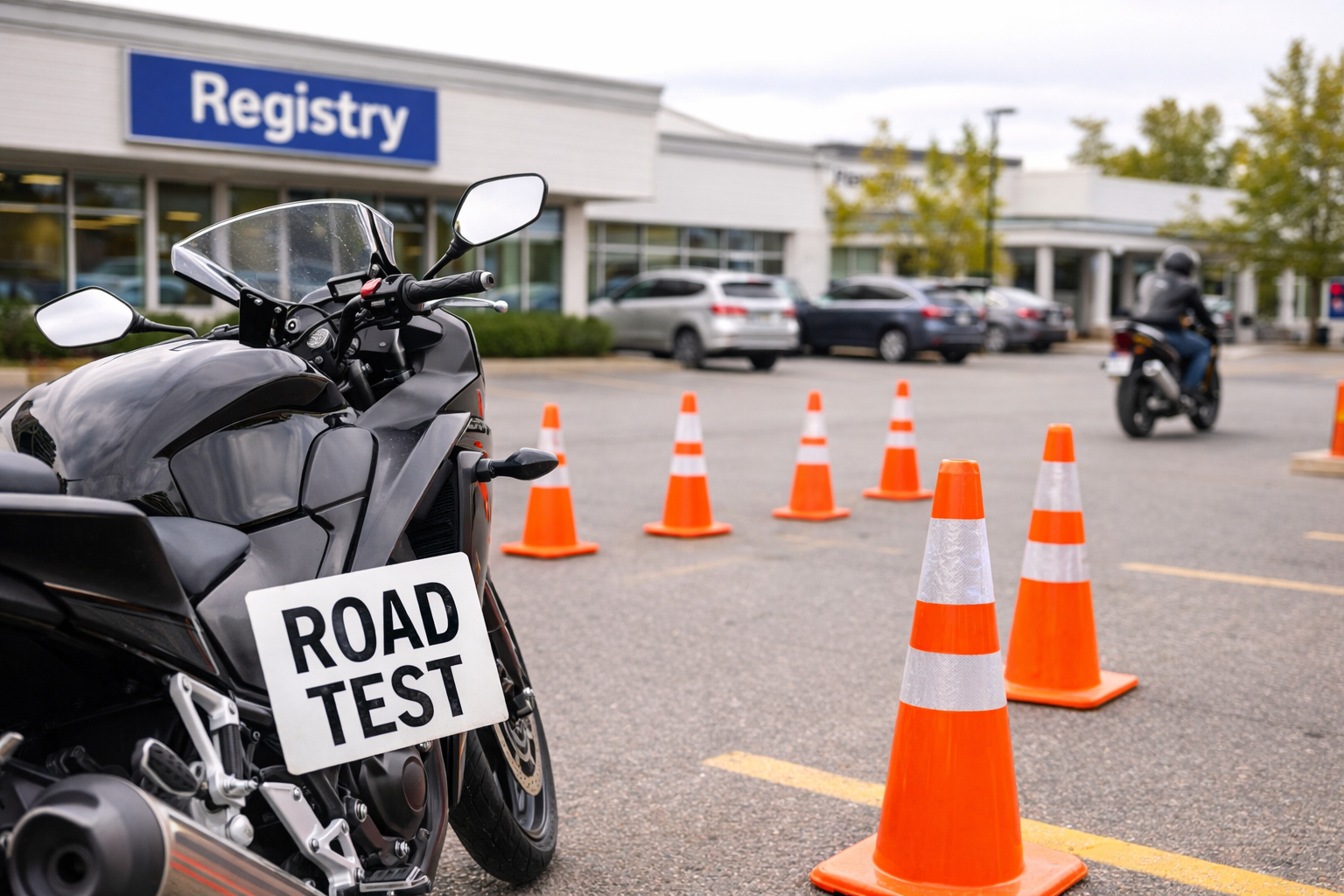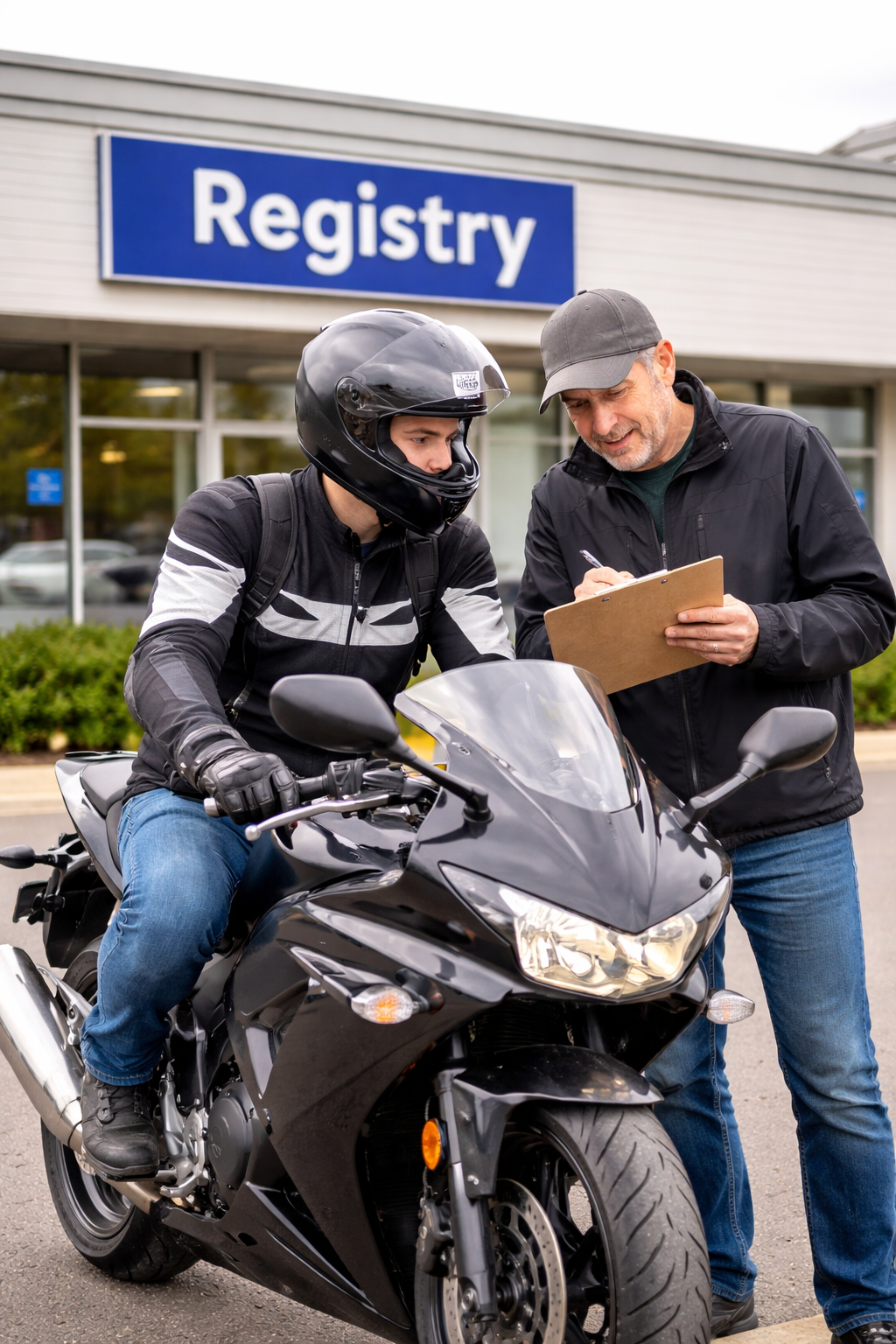
Trois-Rivières motorcycle for Class 6 road test — local guide + next steps
Need a motorcycle for your Class 6 road test in Trois-Rivières, QC? This page explains what to bring, what happens on test day, and how road-test-ready bike access works through BorrowMyBike. The goal is simple: reduce last-minute stress and help you show up prepared.
Need a motorcycle for your road test in Trois-Rivières?
Many new riders in Trois-Rivières can book a Class 6 test before they have reliable access to a road-test-ready bike. BorrowMyBike helps close that gap by connecting test-takers with local mentors who can make test day more predictable.
The booking is for registry road tests only. It is not a recreational ride, an open-ended rental, or a riding lesson. Mentors are there to show up prepared, communicate clearly, and help the test day run smoothly.
- You already have a road test date or expect to book one soon.
- You have practice riding experience and need a road-test-ready motorcycle.
- You want a structured, accountability-first process instead of last-minute scrambling.
What happens on test day (simple timeline)
- Arrive early so you’re not making rushed decisions under pressure.
- Check-in & documents (ID, paperwork, whatever the registry requires).
- Bike + gear check: the examiner confirms roadworthiness + safety basics.
- Road test: focus on smooth, safe control — not speed or “impressing.”
- Wrap-up: results, feedback, and you’re done.
The “don’t panic” checklist
- Your required ID and registry paperwork
- Any confirmation details for your appointment
- Time buffer (arrive early)
- Proper helmet
- Jacket + gloves
- Long pants
- Closed-toe boots (ideally riding boots)
- Slow breathing before you start
- Ride smooth, not “fast”
- Look where you want to go (head up)
- If you make a small mistake — reset and continue calmly
Weather & reschedules
Weather can change fast in Trois-Rivières. If the registry reschedules due to conditions, the goal is that nobody gets penalized — especially if nobody has checked in yet. Safety > forcing a test.
- If you get a reschedule call/text, communicate early.
- Don’t wait until the last minute if conditions are clearly unsafe.
- Rebook calm. Ride safe.
For mentors in Trois-Rivières
Mentors help by making test day calm and predictable. You’re not an instructor, and you’re not coaching during the test. Road tests are booked under the assumption the test-taker has already practiced riding. Mentors can offer calm reassurance and common-sense coordination through in-app messaging — but no riding lessons, no paid practice sessions, and no last-minute training on test day. Mentors are compensated for their time, fuel, and the effort of showing up prepared with a road-test-ready motorcycle.
- Argue with examiners or push unsafe choices
- Encourage riding beyond comfort or conditions
- Provide riding lessons or “practice sessions”
- Make promises about outcomes (“you’ll pass”)